 WhatsApp: +91 9604747106

Introduction to Lovebirds
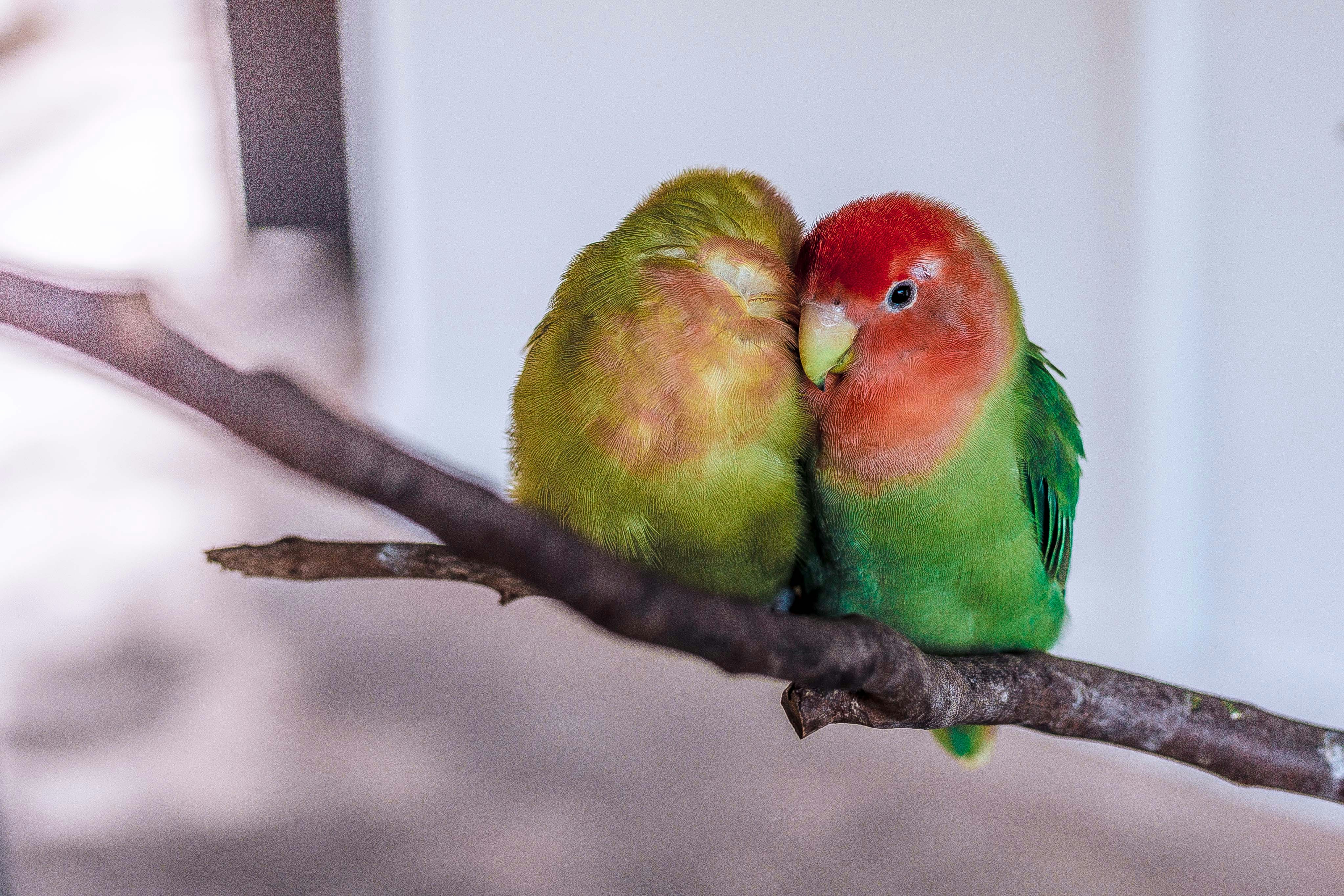
Lovebirds, scientifically classified within the family Psittacidae, are a delightful group of small parrots known for their affectionate behavior and vibrant plumage. With their playful demeanor and strong social bonds, these birds have become increasingly popular as pets worldwide. Their name, “lovebirds,” stems from their strong pair bonding, often observed through their cuddling and preening habits, which endear them to many bird enthusiasts.
There are nine distinct species of lovebirds, all of which possess distinct colors and characteristics. The most commonly kept species as pets include the Peach-faced Lovebird, Fischer’s Lovebird, and the Black-masked Lovebird. Each species showcases a unique palette of colors, ranging from bright greens and yellows to shades of blue and orange, making them visually striking additions to any home. Their size typically ranges between 5 to 7 inches in length, giving them the appearance of being compact, yet they carry personalities that are anything but small.
As members of the broader parrot family, lovebirds share traits typical of their relatives, such as high intelligence and vocal abilities. They are known for their social nature, thriving in environments that allow for interaction, play, and stimulation. This social aspect is crucial, as lovebirds are often happiest when they have a companion, be it another lovebird or a human caretaker. Their charming personalities, combined with their minimal space requirements, make them suitable for various living situations, from apartments to larger homes.
In summary, lovebirds are a captivating species of small parrots that meld vibrant colors with engaging behavior. Their popularity as pets is no surprise, given their endearing nature and the joy they bring to their owners’ lives.
Different Species of Lovebirds
Lovebirds are small, affectionate parrots belonging to the genus Agapornis, known for their vibrant colors and charming behaviors. There are several species of lovebirds, each possessing unique features, making them fascinating companions for bird enthusiasts. The most commonly recognized species include the peach-faced lovebird, the masked lovebird, and the Fischer’s lovebird.
The peach-faced lovebird (Agapornis roseicollis) is perhaps the most popular among avian lovers. It typically measures about 5.5 to 6.5 inches in length and is well-known for its striking coloration, which includes a green body, a peach-colored face, and a yellow underbelly. These lovebirds are social and playful, often forming strong bonds with their human caregivers. Their lively temperament and vocal nature contribute to their appeal as pets.
On the other hand, the masked lovebird (Agapornis personatus) showcases a different set of features. This species measures roughly the same size as the peach-faced lovebird but has a distinct black mask and vibrant green plumage. Masked lovebirds are recognized for their calm and gentle demeanor, making them a favorable choice for beginners in birdkeeping. Their striking appearance and friendly nature make them a captivating addition to any household.
Last but not least, the Fischer’s lovebird (Agapornis fischeri) is celebrated for its colorful appearance, characterized by a bright orange face and a yellow-green body. Typically around 6 inches long, Fischer’s lovebirds are known for their inquisitive and affectionate personalities. They thrive in social environments, often engaging with their human companions through playful antics and vocalizations.
Each lovebird species brings its unique charm to the table, showcasing the diverse beauty and engaging personalities present within this group of small yet extraordinary parrots.
The Characteristics That Define Lovebirds
Lovebirds, as their name suggests, are known for their sociable and affectionate nature. These small parrots, measuring around five to seven inches in length, are characterized by their vibrant plumage, which varies among the different species. The vivid colors of lovebirds, ranging from greens and yellows to reds and blues, often reflect their lively personalities. Their lively demeanor and playful antics distinguish them from other avian companions, making them particularly appealing to bird enthusiasts.
One of the most defining traits of lovebirds is their intrinsic social behavior. Lovebirds thrive in pairs or in groups, showcasing a strong tendency to bond closely with one another and their human caretakers. This bonding is often marked by preening, cuddling, and even playful interactions, which are essential for their emotional well-being. Observing lovebirds in a social setting reveals their playful spirit, where they engage in activities such as chasing each other around their cage or sharing toys. The importance of socialization cannot be overstated, as lovebirds that do not receive enough interaction may develop stress-related behaviors.
Affection is another distinct characteristic of lovebirds. They form deep attachments to their owners, often seeking physical closeness and interaction. This lovebird personality trait not only enhances their charm but also allows for meaningful relationships to develop between the bird and its caregiver. The rewarding experience of nurturing a lovebird often comes with the fulfillment of witnessing its affectionate nature as it engages with its surroundings. These birds communicate their emotions through a variety of vocalizations, adding an enchanting layer to their character that emphasizes their dynamic presence in a household.
In essence, the characteristics that define lovebirds—such as their playful antics, social behaviors, and affectionate nature—make them a compelling choice for bird lovers. Their personality sets them apart from other pet birds, ensuring they leave a lasting impression on anyone fortunate enough to share their lives with these delightful creatures.
Housing and Environment for Lovebirds
Creating an optimal living environment for lovebirds is pivotal to their health and well-being. These vibrant parrots require spacious habitats that allow for exercise and social interaction, reflecting their active and sociable nature. The fundamental aspect of lovebird housing is cage size; a larger cage provides room for flying and climbing, both of which are essential for their physical fitness. A minimum cage dimension of 24 inches wide, 24 inches deep, and 36 inches tall is recommended for a pair of lovebirds. However, larger cages will promote better activity levels and a healthier lifestyle.
Perches play a significant role in a lovebird’s habitat. To mimic their natural environment, it is beneficial to include perches of varying diameters and materials. Natural wood perches are ideal, as they encourage foot exercise and prevent foot-related health issues. Additionally, offering platforms at various heights can create a stimulating environment that caters to their climbing instincts. Lovebirds also enjoy chewable materials; therefore, including both wooden and rope perches can aid in satisfying their natural chewing behavior.
To enrich their environment, lovebirds thrive on having access to various toys. Toys that encourage foraging and mental stimulation are critical, such as those that can be filled with treats or puzzle-like designs that challenge them. Changing toys regularly prevents boredom and encourages exploration. Social interaction is equally important for lovebirds; they are known for their affectionate and playful behaviors. Ideally, they should have a companion, whether another lovebird or regular human interaction, to foster their social nature.
In summary, providing a spacious cage, diverse perches, engaging toys, and regular social interaction creates a stimulating environment that caters to the unique needs of lovebirds. This attention to their housing ensures they can thrive both physically and mentally, promoting their overall well-being.
Diet and Nutrition for Healthy Lovebirds
Ensuring that lovebirds receive a well-balanced diet is crucial for their overall health and longevity. These small parrots are known for their vibrant personalities, and a key component in maintaining their lively behavior lies in what they consume. A varied diet that includes high-quality seeds, fresh fruits, and vegetables will greatly contribute to the wellbeing of lovebirds.
The primary food source for lovebirds is a seed mix formulated specifically for small parrots. It is recommended to choose a blend containing a variety of seeds, such as millet, canary seeds, and sunflower seeds, while being cautious not to overfeed sunflower seeds as they can be high in fat. Additionally, commercial pellets designed for lovebirds can provide essential vitamins and minerals that seeds alone may lack.
Fruits and vegetables are vital components of a lovebird’s diet as they offer necessary hydration and nutrients. Fresh leafy greens like kale, spinach, or collard greens should be included regularly. Fruits such as apples, berries, and pears can also be offered in moderation, providing natural sugars and fiber. When introducing fruits and vegetables, it’s important to wash them thoroughly to remove any pesticides and to cut them into manageable pieces to facilitate feeding.
Portion sizes play a significant role in preventing diet-related health issues. A general guideline is to provide enough seeds for the bird to consume within a few hours, reducing the risk of spoilage. Leftover food should be removed daily to keep the environment clean and hygienic. Monitoring your lovebird’s eating habits and adjusting their diet based on their preferences and nutritional needs is beneficial. Regularly consulting with an avian veterinarian can offer additional insights and recommendations for your lovebirds’ dietary requirements. A balanced diet not only enhances their physical health but also supports their playful and affectionate nature.
Training and Socializing Lovebirds
Training and socializing lovebirds is an essential aspect of responsible ownership, as these small parrots are known for their vibrant personalities and sociable nature. Proper training can help cultivate good behavior and strengthen the bond between you and your lovebird. One of the first steps in this process is establishing a consistent routine. Lovebirds thrive on predictability; therefore, creating a daily training schedule allows them to understand when to expect interaction, which can help alleviate anxiety.
Basic commands should be taught using positive reinforcement. This involves rewarding desired behaviors with treats or praise. Start with simple commands such as “step up” or “come here”. By offering a tasty treat whenever your lovebird follows the command, it learns to associate the command with a positive experience. Consistency is key, and using the same phrases and rewards each time will reinforce learning. As the lovebird becomes more proficient, gradually introduce more complex commands or tricks. This process encourages mental stimulation and keeps your lovebird engaged.
Socialization is equally important for lovebirds. Regular interactions with their owners and even other birds can help reduce fearfulness and promote a sense of security. Allowing controlled exploration outside their cage can spur curiosity and confidence. Moreover, it is vital to provide a safe environment where they can experience new sounds, sights, and textures, which contributes to their overall well-being. If your lovebird exhibits behavioral challenges, such as aggressive biting or excessive screaming, patience is crucial. Identifying triggers, providing enrichment activities, and seeking expert advice when needed can make a significant difference. Through dedication and positive experiences, training will enhance the loving nature of your lovebird and strengthen the bond you share.
Common Health Issues in Lovebirds
Lovebirds, known for their vibrant colors and affectionate nature, can encounter various health issues that owners should be aware of. Maintaining the well-being of these tiny parrots requires a thorough understanding of common health problems and a commitment to regular veterinary check-ups. One of the prevalent health issues seen in lovebirds is psittacine circoviral disease (PBFD), which affects feather and immune health. Symptoms of PBFD can include feather plucking and a lack of stability in flight. Another common issue is obesity, often due to improper diet or lack of exercise, leading to additional health complications such as fatty liver disease. These issues highlight the necessity of providing a balanced diet and opportunities for social interaction and exercise.
It is essential for lovebird owners to familiarize themselves with the symptoms of potential health problems. Weight gain might be noticeable for owners who interact frequently with their pets, and changes in vocalization, droppings, or behavior can indicate an underlying issue. Additionally, lovebirds are susceptible to respiratory infections, often caused by environmental factors such as improper cage hygiene or exposure to drafts. Keeping a clean living environment can greatly reduce these risks.
Preventive care plays a vital role in a lovebird’s health journey. Regular veterinary consultations facilitate early detection of health issues and allow for timely intervention. Providing a variety of nutritious foods, social interaction, and a spacious, enriching environment can significantly contribute to the overall health of these birds. By understanding common health concerns, recognizing symptoms early, and prioritizing preventive measures, lovebird owners can ensure their pets lead long, healthy lives filled with activity and joy.
Lifespan and Lifecycles of Lovebirds
Lovebirds, known for their vibrant colors and affectionate nature, are a small parrot species that typically enjoy a relatively long lifespan. On average, these charming companions can live between 10 to 15 years in captivity, though some individuals may exceed this range with proper care. Various factors contribute to their longevity, including diet, environment, genetics, and healthcare. A balanced diet rich in fresh fruits, vegetables, and high-quality pellets is crucial in promoting their health and longevity. Furthermore, providing a safe environment free from toxins and stress will greatly enhance a lovebird’s quality of life.
The lifecycle of lovebirds can be segmented into several distinct stages, beginning with the chick stage. Lovebird chicks hatch after approximately 23 days of incubation. Initially, they are completely dependent on their parents for food and warmth. Over the first few weeks, they develop rapidly, growing feathers and gaining mobility. By six to eight weeks, lovebird chicks are typically weaned and ready for socialization, an essential aspect of their development.
As they transition into adolescence, lovebirds undergo further physical and behavioral changes. Around six months of age, they reach sexual maturity, marked by the beginnings of courtship behaviors and the establishment of pair bonds. This phase is vital for their social skills, which are crucial for the formation of strong partnerships—whether with other lovebirds or their human companions. Adult lovebirds are known for their playful yet sometimes territorial nature, showcasing their vibrant personalities. By continuing to provide attentive care and stimulation throughout their lives, owners can help ensure that these delightful pets thrive and maintain their rich, engaging demeanor.
Conclusion: Why Lovebirds Make Great Pets
In evaluating the attributes of lovebirds, it becomes clear that these small parrots possess a multitude of qualities that render them exceptional pets. One of the most compelling reasons to consider adopting a lovebird is their vibrant personalities. Despite their diminutive size, lovebirds are known for their lively and affectionate nature, which invites interaction and engagement from their owners. Their playful behavior is not only entertaining but also contributes to a joyful atmosphere in the home.
Beyond their engaging personalities, lovebirds foster a strong bond with their owners. They are social creatures that thrive on companionship, often forming deep attachments with their human caregivers. This affinity for bonding can lead to a rewarding relationship characterized by mutual affection and loyalty, making them ideal pets for individuals or families seeking a meaningful connection with a pet.
Moreover, lovebirds are relatively low-maintenance compared to larger parrot species. They require less space, which makes them suitable for a variety of living environments, including apartments. Their dietary needs are also straightforward, as they thrive on a balanced diet of pellets, fruits, and vegetables, which simplifies care for potential owners. Understanding and catering to their basic needs enables lovebird caretakers to enjoy their companionship without extensive demands.
The joy that lovebirds bring into homes cannot be overstated. Their delightful chirps and cuddly behaviors create a lively ambiance, filling spaces with warmth and cheer. As potential pet owners contemplate their options, considering a lovebird might lead to a fulfilling choice, one that brings beauty, companionship, and happiness into their lives. Ultimately, the appeal of lovebirds lies not only in their striking appearance but also in the rich companionship they provide, making them a cherished addition to any household.
What Are Lovebirds?
Lovebirds are small parrots known for their affectionate nature and vibrant colors. They typically measure around 5 to 7 inches in length and are native to Africa. Their charming personalities make them popular pets.
Are Lovebirds Good Pets?
Yes, lovebirds can be excellent pets! They are social, playful, and enjoy interacting with their owners. However, they thrive in pairs or groups, as they are naturally flock animals. Owning more than one lovebird can lead to a more fulfilling life for them.
What Do Lovebirds Eat?
Providing a balanced diet is crucial for lovebirds. Their diet should include high-quality pellets, fresh fruits, vegetables, and occasional seeds. Avoid feeding them chocolate, avocado, or caffeine, as these can be harmful to their health.
How Long Do Lovebirds Live?
On average, lovebirds have a lifespan of 10 to 15 years with proper care. Their lifespan can be influenced by factors such as diet, environment, and genetics. A happy and healthy lovebird can be a long-term companion.
Can Lovebirds Speak?
While lovebirds are not known for extensive talking like some other parrot species, they can certainly learn to mimic sounds and phrases. They may not be the best talkers, but they compensate with their engaging and playful behaviors.
Do Lovebirds Need a Lot of Space?
Lovebirds don’t require a large amount of space as long as they have an adequately sized cage to move around. Providing toys and perches will encourage exercise and mental stimulation. Daily out-of-cage time is also essential.
How to Tell if a Lovebird is Happy?
A happy lovebird will exhibit playful behavior, preen its feathers, and sing or chirp. If it seems active and interacts with you or its partner, it’s a good sign that your lovebird is content.
What Are the Different Types of Lovebirds?
There are several species of lovebirds, including the Fischer’s, Peach-Faced, and Masked lovebirds. Each species has its unique coloration and personality traits, making them fascinating to observe.
Can Lovebirds Live Alone?
While lovebirds can live alone, they may experience loneliness. It’s recommended to have at least two lovebirds to provide companionship, which can enhance their quality of life.
How to Train a Lovebird?
Training lovebirds requires patience and positive reinforcement. Start with simple commands and reward them with treats. Consistency and short training sessions will help your lovebird learn quickly.