 WhatsApp: +91 9604747106

Introduction to Winter Bird Care
As winter approaches, the importance of caring for birds becomes increasingly crucial. Colder weather poses significant challenges for avian populations, including decreased food availability and increased exposure to harsh elements. During this season, birds must contend with shorter days and reduced insect populations, which traditionally serve as a food source. This scarcity of natural food can lead to nutritional deficiencies and increased mortality rates in local bird populations.
Moreover, the elements in winter can be unforgiving. Birds require suitable shelter to protect themselves from snow, freezing rains, and chilling winds. Without adequate cover, many birds face the peril of hypothermia, a potentially fatal condition caused by prolonged exposure to low temperatures. Thus, proactive winter bird care is essential—not only to keep them warm but also to ensure their survival through the colder months.
Providing supplementary food is a vital measure that bird enthusiasts can undertake. One effective solution is the incorporation of herbal millet into their diets. This nutritious seed is not only palatable but also packed with essential minerals and vitamins that support avian health during periods of scarcity. The warmth generated by consuming herbal millet can aid in thermoregulation, allowing birds to maintain body heat more effectively against frigid temperatures.
Additionally, ensuring that feeders are filled regularly and offering a diverse range of food options can attract a variety of bird species. This inclusivity contributes to a more balanced ecosystem, promoting survival rates across different populations. Therefore, understanding the unique challenges faced by birds in winter and recognizing the role of herbal millet as a key resource can significantly enhance their chances of thriving during these harsh months. This approach not only nurtures the birds but also enriches our connection with the natural world around us.
What is Herbal Millet?
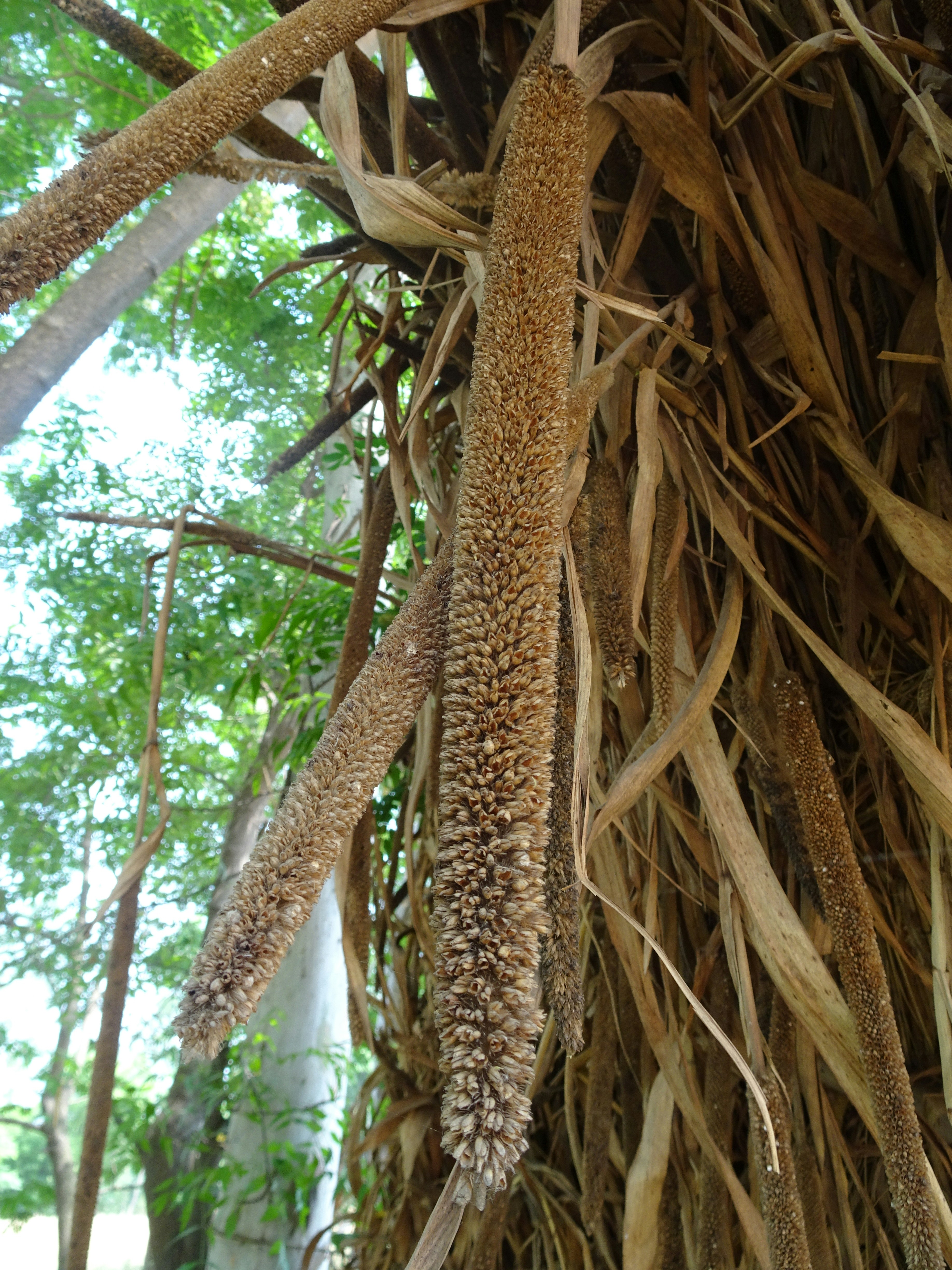
Herbal millet is a specialized type of millet that combines the nutritional benefits of traditional millet grains with selected herbs, creating a wholesome dietary option for birds. Millet itself is a group of small-seeded grasses that are renowned for their high nutritional value and digestibility. Common varieties include pearl millet, proso millet, and finger millet, each offering unique benefits derived from their composition. These varieties are rich in proteins, fiber, vitamins, and essential minerals, playing a crucial role in avian health.
The incorporation of herbs into millet enhances its nutritional profile significantly. Popular herbs such as peppermint, chamomile, and dandelion can be blended with millet seeds. Peppermint is known for its soothing properties, while chamomile aids in digestive health; and dandelion provides vital vitamins and antioxidants, which are essential for birds’ well-being, especially during cold winter months. The environment and climate can adversely affect birds’ health, making it imperative for avian caretakers to offer nourishing foods that can help maintain their vitality.
Herbal millet is particularly advantageous during winter when birds may experience stress due to lower temperatures and diminished food sources. The warmth provided by the herbal blend, combined with the innate qualities of millet grains, makes it a natural solution to keep birds comfortable. It not only promotes health but also enhances the overall well-being of birds during their most vulnerable season. By providing this fortified feed, bird owners can significantly contribute to their pets’ dietary needs, ensuring they stay warm and nourished throughout the winter months.
Benefits of Herbal Millet for Birds
Herbal millet, a nutritious grain, is gaining recognition for its array of benefits specifically tailored to avian health. When birds are exposed to harsh winter conditions, their nutritional needs change significantly. Herbal millet serves as a rich source of energy, essential for maintaining body temperature and overall vitality. This energy-rich composition is particularly important for small bird species that are more susceptible to cold weather.
One of the primary advantages of incorporating herbal millet into a bird’s diet is its ability to promote warmth. The seeds are high in calories, offering an ideal fuel source to sustain birds during frigid temperatures. This increased caloric intake is crucial as it helps birds to maintain their body heat, promoting better thermal regulation. Furthermore, the warmth derived from herbal millet can substantially optimize their energy levels, enabling them to engage in more activities essential for their survival.
Additionally, herbal millet is packed with vital nutrients, including vitamins and minerals that bolster the immune system. A robust immune response is critical for birds, especially during winter when they are more susceptible to diseases. Scientific research indicates that the antioxidants present in herbal millet can help enhance the overall health of birds by combating oxidative stress. A healthier immune system allows birds to be more resilient, decreasing the likelihood of illness during the colder months.
Moreover, the inclusion of herbal millet can lead to improved digestive health, as it is also a good source of fiber. A balanced digestive system further enhances nutrient absorption, ensuring that the essential vitamins and minerals contribute to the bird’s overall well-being. Therefore, integrating herbal millet into a bird’s diet during winter not only supports their immediate energy needs but also facilitates long-term health benefits that can assist in surviving the seasonal challenges.
Choosing the Right Herbal Millet for Your Birds
When selecting the appropriate herbal millet mix for your feathered companions, it is essential to consider several factors that will ensure their health and well-being during the colder months. Different bird species have unique dietary requirements and preferences that should be at the forefront of your decision-making process. For instance, small birds like finches and canaries thrive on finer millets, while larger species may prefer coarser grains.
It is also important to evaluate the specific dietary preferences of your birds. Some may be more inclined to enjoy a combination of seed types, while others will favor particular flavors or textures in their food. Observing their feeding habits will give you clues about which mixes are more appealing to them. A diverse mix that includes various herbal flavors can stimulate their interest and encourage more regular eating habits, which is critical in maintaining their energy levels during winter.
Health considerations must not be overlooked when choosing herbal millet. Birds can have different sensitivities, allergies, or health conditions that may require diet modifications. Consulting with an avian nutritionist can provide valuable insights and recommendations tailored to your birds’ specific needs. Experts often suggest looking for organic, non-GMO options to avoid harmful additives that can affect your bird’s health. Additionally, ensure that the chosen millet is free from mold and impurities, as these can pose significant health risks.
In summary, selecting the right herbal millet for your birds involves understanding their species-specific dietary needs, preferences, and any health considerations. By consulting with professionals and observing your birds’ behaviors, you can provide a nourishing and appealing herbal millet mix that will help keep them warm and happy during the winter season.
How to Prepare Herbal Millet for Birds
Preparing herbal millet for your birds is a straightforward process that enhances the nutritional benefits of this grain while making it more palatable for your feathered friends. To begin, gather high-quality millet seeds, which are rich in essential nutrients, and select the herbs you wish to incorporate. Common choices include dried basil, oregano, and thyme, but feel free to explore other safe herbs that appeal to your birds.
The first step in the preparation involves rinsing the millet seeds under running water. This helps remove any dust or contaminants present on their surface, ensuring a clean product for your pets. After rinsing, it is beneficial to let the millet soak in water for around 30 minutes. Soaking not only plumps the seeds but also activates enzymatic growth, which boosts their nutritional profile. Following the soak, drain the water thoroughly.
For added texture and flavor, you may opt to cook the millet. In a small saucepan, add the soaked millet and about twice the amount of water. Bring it to a gentle boil, then reduce the heat and let it simmer for about 20 minutes, or until the grains become fluffy and tender. If preferred, you can substitute part of the water with herbal teas, such as chamomile or peppermint, for additional nutrient enhancement.
Once the millet is cooked, you can introduce the selected herbs. Mixing in dried herbs while the millet is still warm allows the fragrant oils to infuse better. Stir the mixture gently, ensuring the herbs are evenly distributed throughout the millet. Allow the blend to cool completely before serving it to your birds, ensuring their safety and comfort.
Creating a variety of blends tailored to different bird species ensures they receive a balanced diet. For instance, you might combine millet with sunflower seeds and ground flaxseed for larger birds, while smaller ones may enjoy a blend with dried fruits. This thoughtful preparation of herbal millet will contribute significantly to keeping your birds warm and healthy during winter months.
Feeding Guidelines and Best Practices
When it comes to feeding birds herbal millet during the winter months, establishing a structured routine is essential for their health and well-being. It is recommended to offer herbal millet as a supplementary food source rather than the sole component of their diets. A good guideline is to provide millet two to three times a week, ensuring that the servings are moderate and appropriate for the specific species of birds in your care.
In terms of quantity, a standard serving size can range from one to two teaspoons per bird, depending on their breed and size. Smaller birds may thrive on a smaller portion, while larger species may require more. It is crucial to observe individual feeding habits, as some birds may be more inclined to eat than others. Adjustments to the quantity can be made based on their consumption patterns.
Incorporating herbal millet into a balanced diet is vital. While millet is a nutritious option that provides energy and warmth, it should not replace essential seeds, fruits, or vegetables that contribute to their overall health. Adding variety ensures that birds receive a wider spectrum of nutrients. Integrating other foods such as leafy greens, fortified seed mixes, and occasional protein sources like boiled eggs can contribute to a comprehensive feeding regimen.
Monitoring the birds’ health is also an important aspect of feeding practices. Regular checks on their weight, feather quality, and general demeanor can provide insights into their well-being. If any sudden changes occur, it may be necessary to consult a veterinarian. By adhering to these feeding guidelines and best practices, you can support your birds through the winter, helping them stay warm and healthy while enjoying the benefits of herbal millet.
Storing Herbal Millet: Tips for Freshness
To ensure that your herbal millet remains fresh and retains its nutritional value, proper storage practices are essential. The ideal conditions for storing herbal millet involve controlling the temperature, humidity, and exposure to light. It’s recommended to keep millet in a cool, dry place away from direct sunlight. A pantry or a dedicated food storage area where the temperature remains consistent is ideal. Exposure to moisture can lead to spoilage or the growth of mold, which compromises the quality of the millet.
When it comes to containers, airtight options are the best choice for storing herbal millet. Glass jars, vacuum-sealed bags, or high-quality plastic containers with secure lids are effective in minimizing air exposure. These containers can help prevent oxidation and keep pests away. Additionally, labeling containers with the purchase date can assist in tracking freshness, ensuring that you use the millet before it becomes less effective. It’s advisable to store small quantities that can be consumed quickly to maintain optimal freshness.
Herbal millet can typically be stored for up to six months without significant loss of quality if kept in optimal conditions. However, it is crucial to regularly check for signs of spoilage. This includes an off or rancid smell, discoloration, or the presence of insects. If any of these indicators are present, it’s important to discard the millet immediately to avoid potential health risks. By following these storage tips, you can help ensure that your herbal millet remains a beneficial source of nutrition for your birds throughout the winter months.
Environmental Enrichment: Using Herbal Millet as a Fun Treat
Providing a stimulating environment for birds is essential for their overall wellbeing, and herbal millet serves as an excellent tool for enhancing their habitat. Instead of simply offering millet in its conventional form, there are numerous creative ways to present this nutritious treat that encourage both mental and physical engagement. By incorporating herbal millet into various enrichment activities, you can transform feeding time into an enjoyable experience that keeps your feathered friends active and content.
One effective method to use herbal millet is through forage feeders. These feeders can be filled with dried millet sprays or loose millet mixed with other safe, edible plants. This setup encourages birds to forage for their food, mimicking natural behaviors they would exhibit in the wild. By challenging birds to navigate through the feeder, they not only receive a satisfying reward but also engage in essential mental stimulation, which is crucial for their health and happiness.
Alternatively, consider using millet sprays as a decorative and enjoyable addition to their space. Hanging these sprays in their aviary not only provides a visual enrichment but also encourages climbing and pecking behavior, allowing birds to explore their environment actively. You can enhance the experience further by combining the millet sprays with other herbs or safe plants, creating an enticing natural playground.
Moreover, incorporating herbal millet into enrichment toys can be another fantastic idea. Treat-dispensing toys that allow birds to interact with their food become a source of entertainment. By hiding small amounts of millet within these toys, you give your birds a fun challenge that promotes problem-solving skills, which is vital for their cognitive development.
Overall, incorporating herbal millet not just as a food source but as an enrichment tool increases the dynamic interactions birds have with their surroundings, ensuring a fulfilling and healthy winter season for them.
Conclusion: The Natural Choice for Winter Bird Care
As winter approaches, ensuring the well-being of our feathered friends becomes paramount. The use of herbal millet as a natural solution for winter bird care has been explored in detail throughout this discussion. Herbal millet not only serves as a nutritious food source but also contributes to maintaining the health and warmth of birds during colder months. Its rich composition of essential nutrients provides the necessary energy that birds require to thrive in winter conditions.
Incorporating herbal millet into the daily diet of birds can facilitate their adaptation to the changing weather, supporting their immune system and overall vitality. The herbal properties of millet can offer additional advantages; they often contain anti-inflammatory and antioxidant effects, which can be particularly beneficial when temperatures drop. Additionally, the palatability of herbal millet encourages birds to consume it with enthusiasm, ensuring they receive adequate nutrition.
Moreover, the natural approach of using herbal ingredients in bird care aligns with a broader understanding of holistic animal husbandry. It highlights the importance of fostering a safe and supportive environment for pets, ultimately enhancing their quality of life. By making the shift to herbal millet, bird owners can embrace a more eco-friendly and health-conscious way to nurture their pets through winter.
In conclusion, the benefits of herbal millet extend beyond mere sustenance; they contribute to a comprehensive winter care strategy for birds. As the chill of winter sets in, let us prioritize natural solutions that support our avian companions. By integrating herbal millet into your bird care routine, you can help ensure that your pets remain warm, healthy, and thriving throughout the colder months. This season, choose the natural choice for your bird care needs.