 WhatsApp: +91 9604747106

Lorikeets
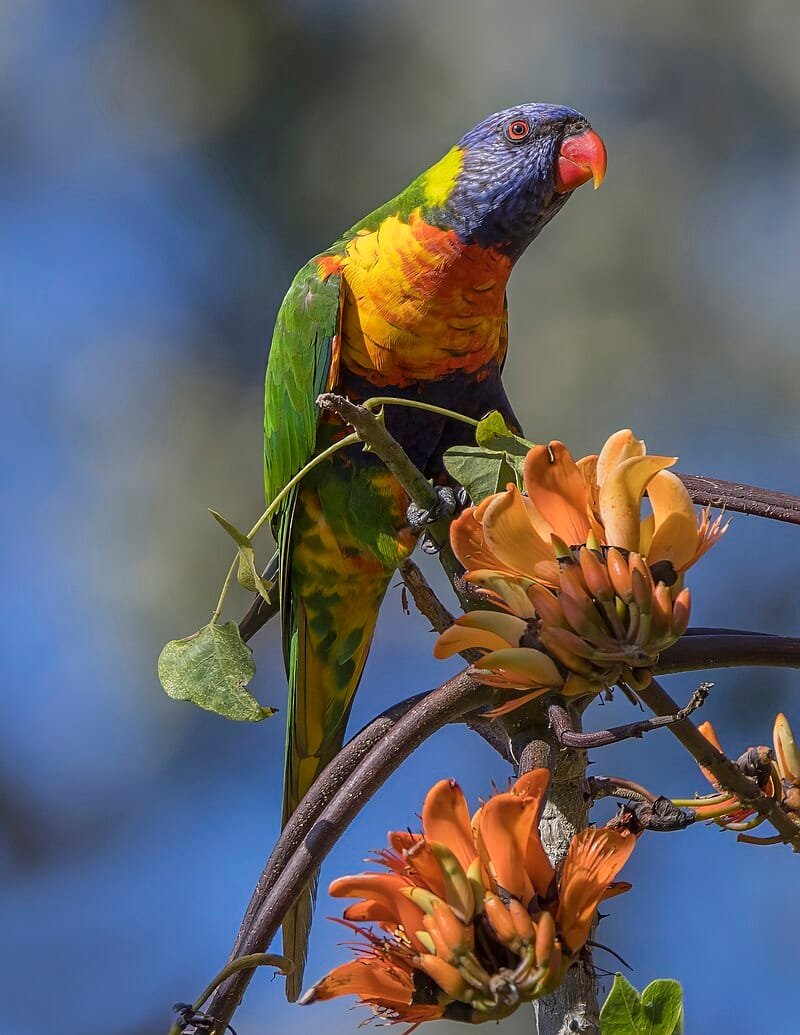
Lorikeets are vibrant, energetic parrots known for their specialized brush-tongue for nectar feeding. These colorful birds range from the popular Rainbow Lorikeet to smaller varieties like the Scaly-breasted Lorikeet. Unlike most parrots, they require unique liquid-based diets and frequent cleaning due to their messy eating habits.
ESSENTIAL FACTS
| Feature | Details |
|---|---|
| Scientific Name | Trichoglossus (Rainbow), Psitteuteles (Goldie’s) |
| Size/Weight | 10-12 inches | 75-150g (species dependent) |
| Lifespan | 15-20 years (up to 25 in captivity) |
| Special Feature | Brush-tipped tongue for nectar feeding |
IDENTIFICATION
| Feature | Details |
|---|---|
| Rainbow Lorikeet | Blue head, green wings, orange/yellow chest |
| Scaly-breasted | Green body with yellow “scales” on chest |
| Gender Differences | Minimal visual differences (DNA sexing required) |
| Juveniles | Duller colors, black beak (lightens with age) |
DIET
| Component | Details |
|---|---|
| Base Diet | Commercial nectar powder (mixed fresh 2x daily) |
| Fruits | Papaya, mango, berries (20% of diet) |
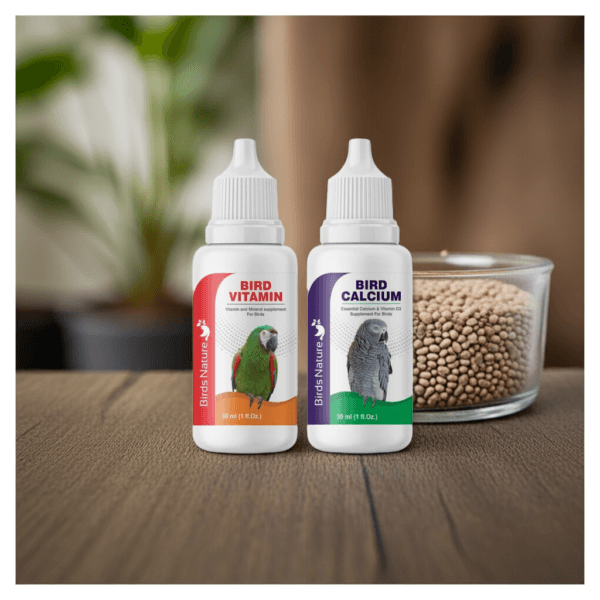
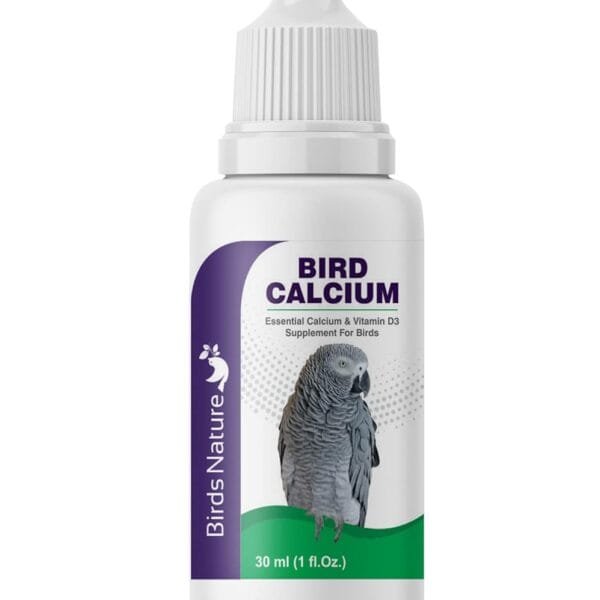
| Supplements | Calcium + Vitamin D3 (critical) |
| Avoid | Seeds, high-iron foods, avocado |
HOUSING
| Feature | Details |
|---|---|
| Cage Size | Minimum 24″W × 36″D × 36″H (for single bird) |
| Setup | Stainless steel preferred (resists sticky nectar) |
| Cleaning | Daily disinfecting required (nectar molds quickly) |
| Perches | Multiple textures (cement, natural wood) |
BEHAVIOR
| Trait | Details |
|---|---|
| Activity Level | Highly energetic (need 4+ hours out-of-cage) |
| Noise | Loud screeches (especially mornings/evenings) |
| Social Needs | Best kept in pairs (single birds need 2+ hrs interaction) |
| Training | Can learn tricks but less talkative than other parrots |
Lorikeet Pro Tips
Feeding Hack: Use squeeze bottles for nectar to minimize mess.
Health Watch: Check droppings daily – abnormal colors indicate diet issues.
Enrichment: Provide “nectar stations” with hidden food to mimic wild foraging.
Showing all 3 results




Showing all 3 results
Lorikeet Care Schedule
DAILY CARE
| Task | Details | Best Time |
|---|---|---|
| Nectar Prep |
|
6-7 AM & 4-5 PM |
| Cage Cleaning |
|
After breakfast |
| Fruit Service |
|
Mid-morning |
| Out-of-Cage Time |
|
Late afternoon |
WEEKLY CARE
| Task | Details | Frequency |
|---|---|---|
| Deep Disinfection |
|
Sunday |
| Toy Rotation |
|
Wednesday |
| Weight Check |
|
Same day weekly |
MONTHLY CARE
| Task | Details | When |
|---|---|---|
| Vet Check |
|
1st week of month |
| Perch Replacement |
|
Mid-month |
| Diet Review |
|
Last weekend |
Seasonal Lorikeet Care
Spring: Increase calcium before breeding season. Monitor for nesting behaviors.
Summer: Provide extra bathing opportunities. Watch for nectar spoilage in heat.
Fall: Begin molting support with added protein. Reduce daylight hours.
Winter: Use ceramic heat emitter (no light). Offer warm nectar mixes.
Essential Lorikeet Products
Cleaning: Avian-safe disinfectant, stainless steel bowls, poop-off spray
Feeding: Nectar mixer bottles, skewers for fruit, gram scale for weighing
Enrichment: Foraging wheels, rope boings, bird-safe chew toys

